Architect Bjarke Ingels at WIRED by Design, 2014. Skywalker Sound, Marin County, CA. Watch WIRED on The Scene: http://thescene.com Subscribe to the all-new W…
[ccw-atrib-link]
Architect Bjarke Ingels at WIRED by Design, 2014. Skywalker Sound, Marin County, CA. Watch WIRED on The Scene: http://thescene.com Subscribe to the all-new W…
[ccw-atrib-link]
“Clean Lines, Open Spaces: A View of Mid-Century Modern Architecture,” a new documentary produced by AETN’s Mark Wilcken, focuses on the construction boom in…
[ccw-atrib-link]
ARCHITECTURAL INTERIOR OF ASSEC. fABRICAT by ELPEDES MINIATURE MODEL MAKER & DESIGN Address; blk22 lot 57 EP Housing western bicutan taguig city phil. contac…
[ccw-atrib-link]
Following the building of a rc model airplane, http://www.howtomakercairplanes.com/rcblog of a beechcraft bonanza from Topflite. How To build rc planes prope…
[ccw-atrib-link]
http://mrhmag.com – Geoff Bunza demonstrates how he uses an Arduino controller to animate the lighting of a multistory structure, complete with sound as well…
[ccw-atrib-link]
[ccw-atrib-link]
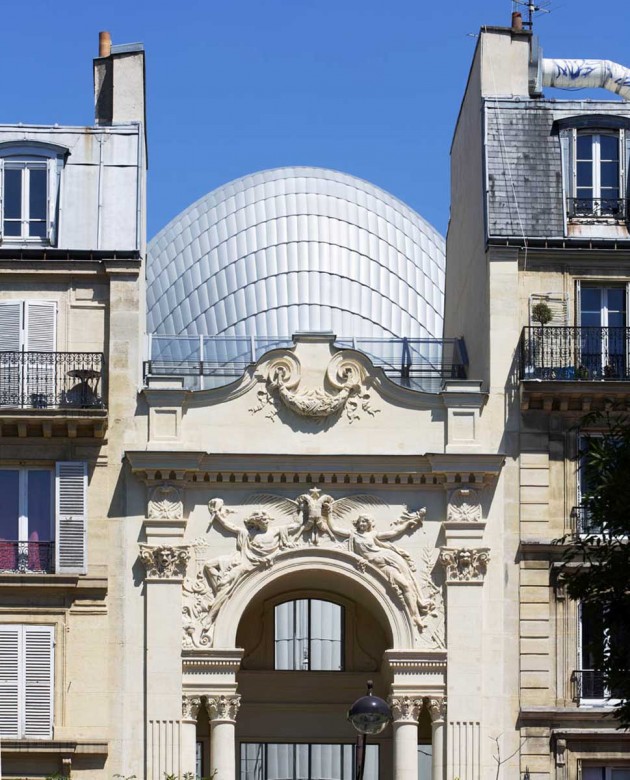
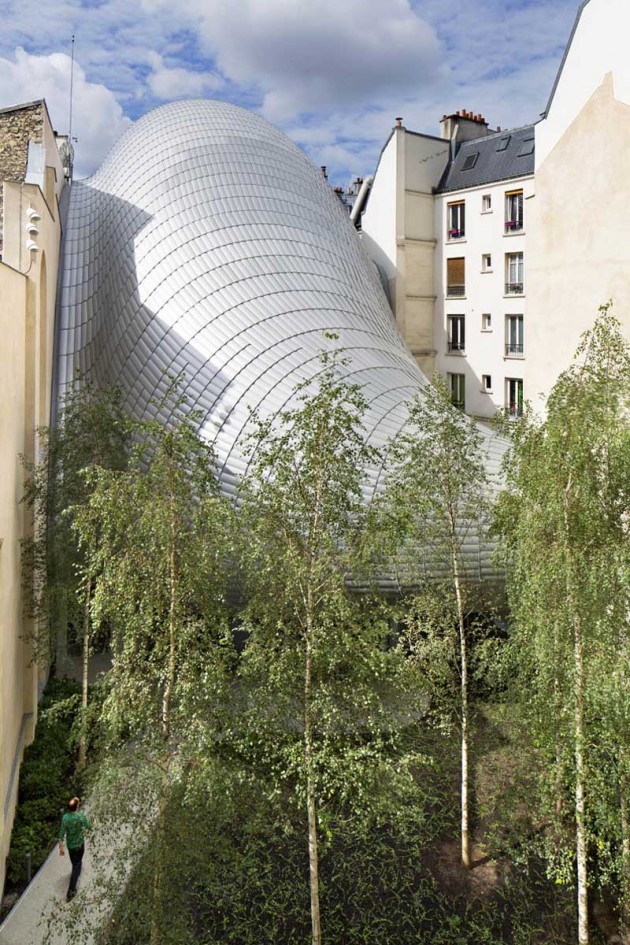
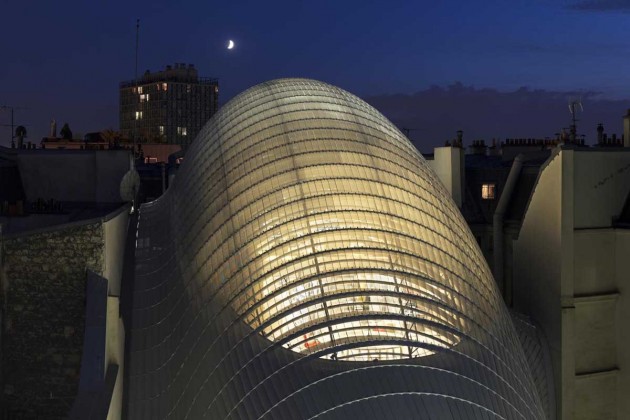
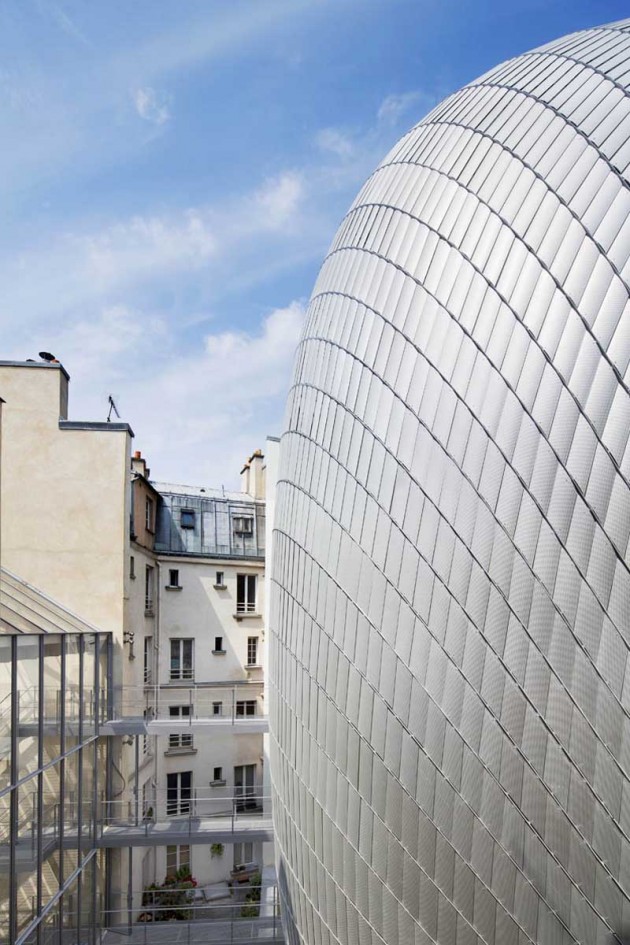
Renzo Piano Building Workshop (RPBW) have recently completed the new headquarters for
The Fondation Jérôme Seydoux-Pathé in Paris, France.
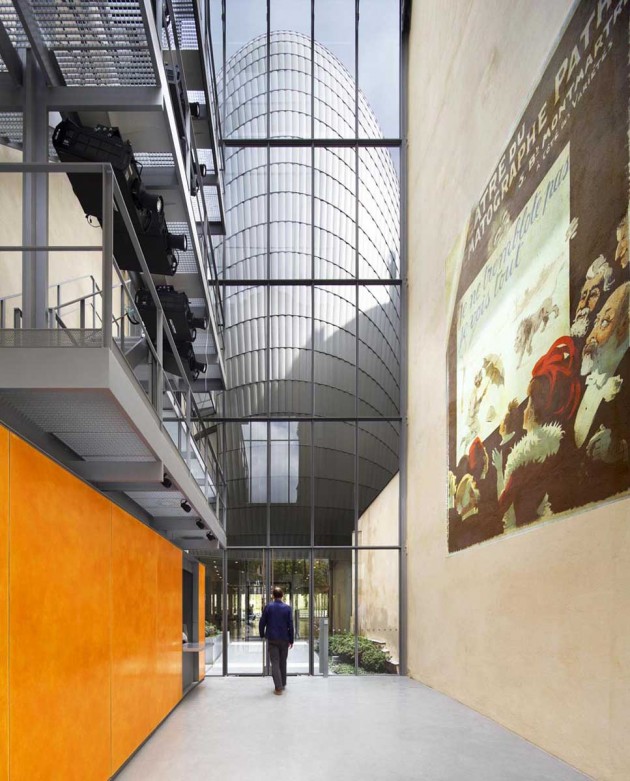
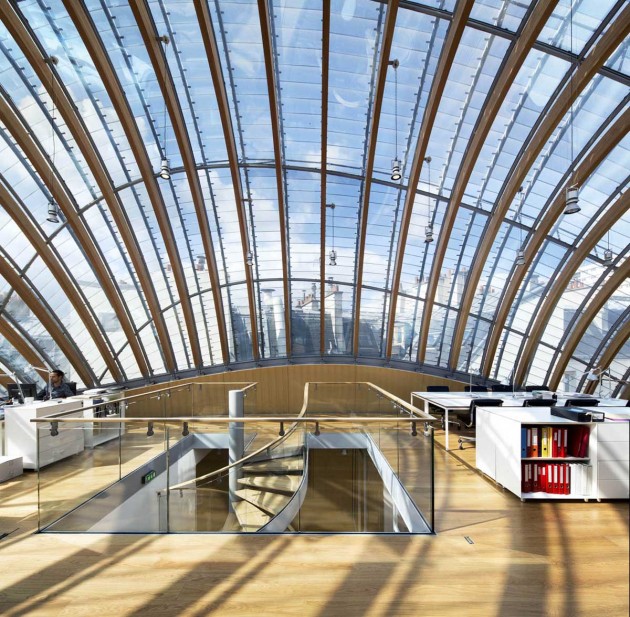
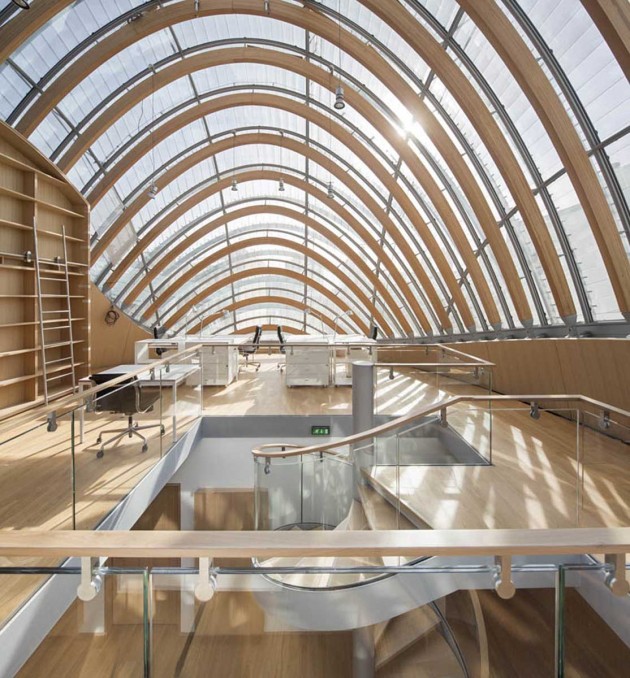
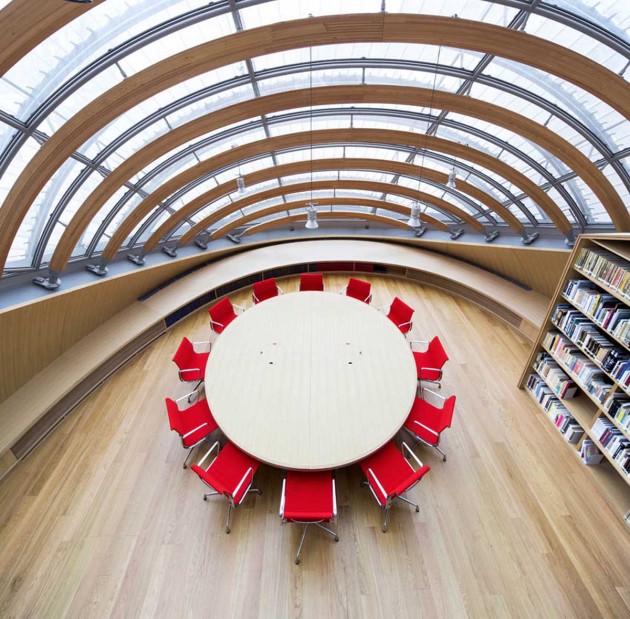
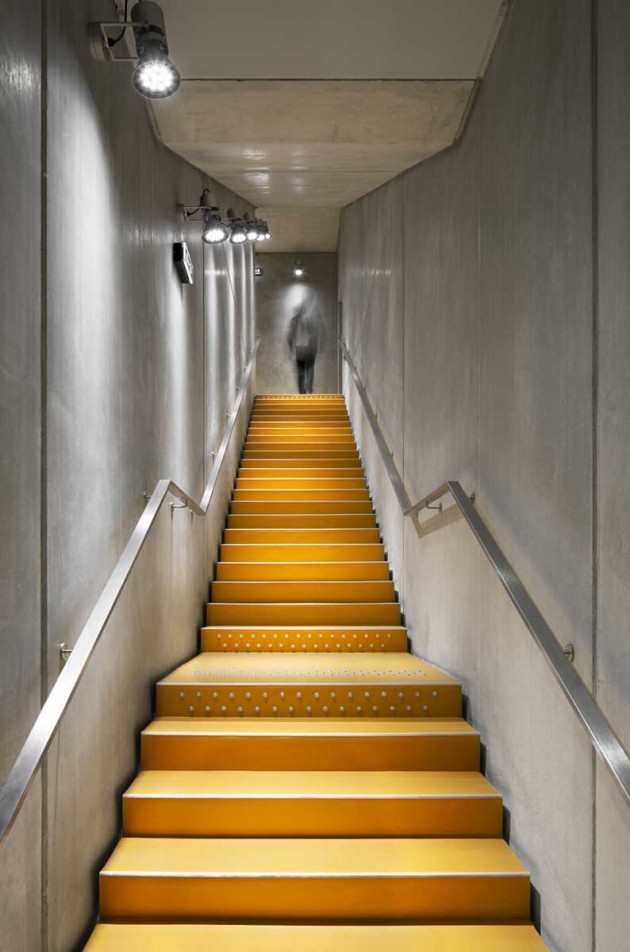
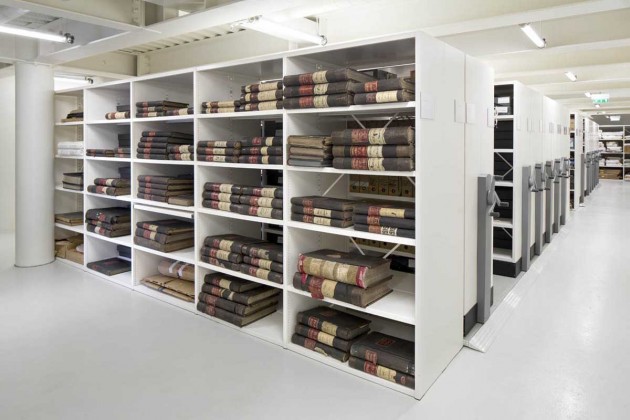
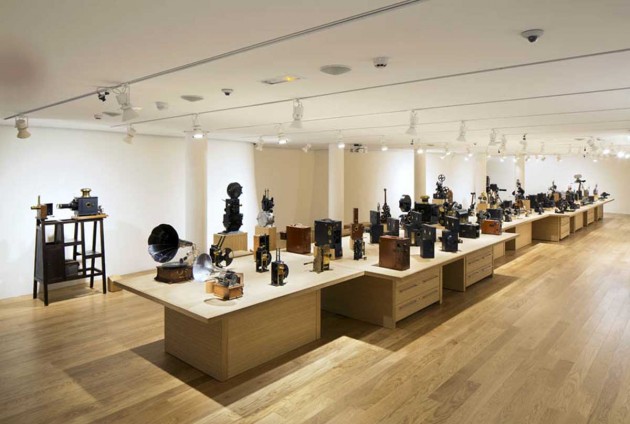
Project description
The Fondation Jerôme Seydox-Pathé is an organization dedicated to the preservation of Pathé’s heritage, and to the promotion of the cinematographic art. Its new headquarters will be located in avenue des Gobelins, on the site of a XIX century disused theatre.
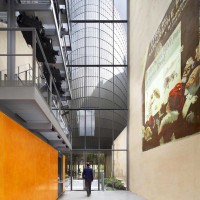
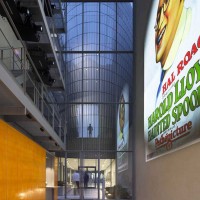
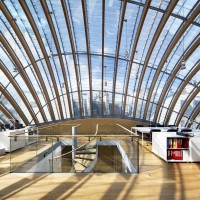
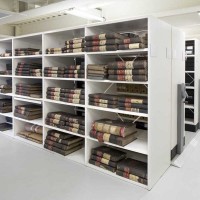
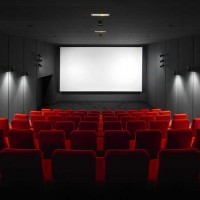
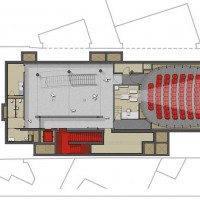
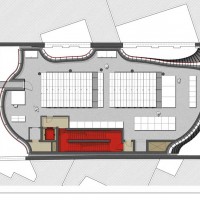
The new building will house Pathé’s archives, some exhibition spaces related to the cinematographic art, including a 40-seat screening room, and the offices of the foundation.
The project calls for the demolition of the two existing buildings to create a more organic space that better responds to the restrictions of the site.
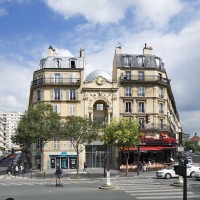
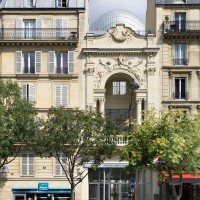
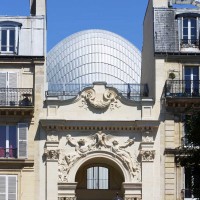
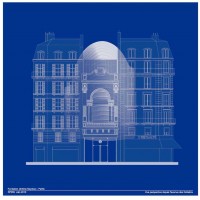
The façade on the avenue des Gobelins will be restored and preserved, due to its historical and artistic value. Decorated with sculptures by Rodin, it is not only a historical landmark, but also an iconic building for the Gobelins area.
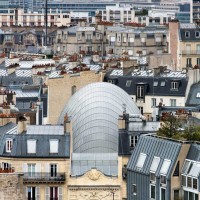
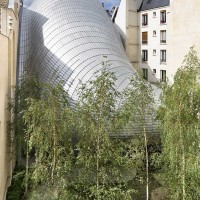
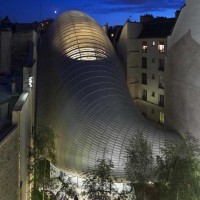
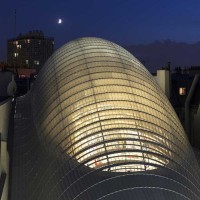
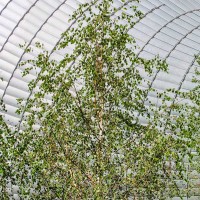
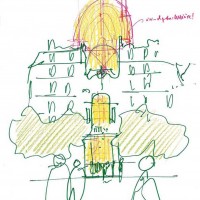
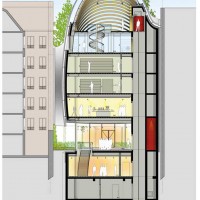
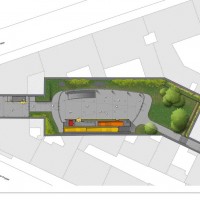
A new transparent building just behind the façade functions as the foundation’s public access. Looking like a greenhouse, it offers a view on the interior garden through the basement of the new egg-shaped building that houses the project’s main functions.
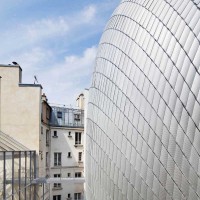
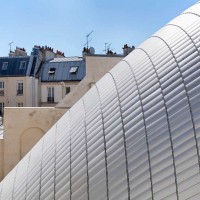
The peculiar design of this 26 m high building is determined by the site’s major limits and requirements. In particular, it respects the distances with the adjoining buildings, while at the same time creating a new space for an interior garden.The glazed form of the building is only perceived from the street through the and over the restored facade like a discreet presence during the daytime, while softly glowing at night.

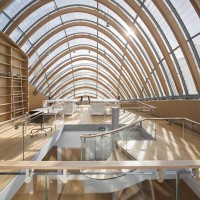
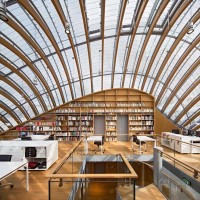
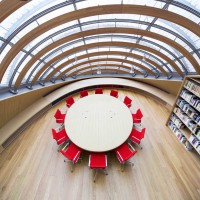
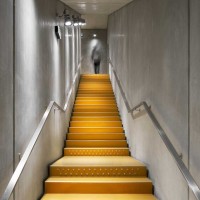


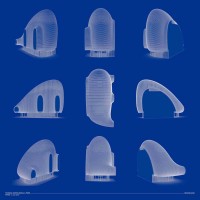
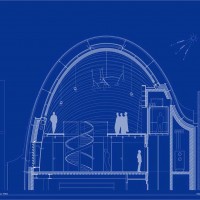
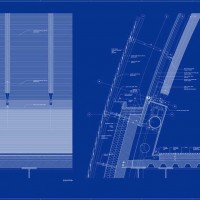
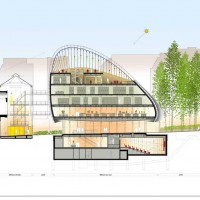
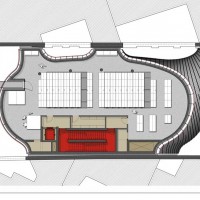
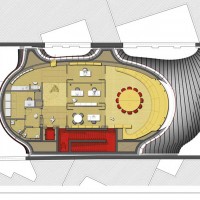
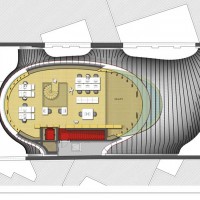
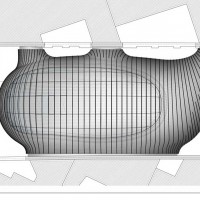
Architect: Renzo Piano Building Workshop (RPBW)
Project Team: Bernard Plattner (Partner in Charge)/ Thorsten Sahlmann (Associate in Charge) /Alexandre Pachiaudi
Design team: B. Plattner and T.Sahlmann (partner and associate in charge) with G.Bianchi (partner), A.Pachiaudi, S.Becchi, T.Kamp; S.Moreau, E.Ntourlias, O.Aubert, C.Colson, Y.Kyrkos (models)
Consultants: VP Green (structure); Arnold Walz (model 3d); Sletec (cost consultant); Inex (MEP); Tribu (Sustainability); Peutz (acoustics); Cosil (Light)
Interior Designer: Leo Berellini Architecte
Photography by © Michel Denancé
Drawings and images by © RPBW
[ccw-atrib-link]
The Denver Botanic Garden’s new Science Pyramid is an iconic new symbol for the park that also fosters conservation and research. The sustainable pyramid structure was created by Burkett Design and fuses architecture with the surrounding nature landscape. The beautiful peaked building emulates the mountains of the region, while providing a sprawling new center for visitors and researchers to enjoy.


Read the rest of The Denver Botanic Garden’s New Research Center Rises Like a Modern Pyramid in Colorado
Permalink |
Add to
del.icio.us |
digg
Post tags: “solar energy”, colorado, Colorado Rockies, Denver Botanic Garden, eco design, green design, passive design, pyramid architecture, Science Pyramid, skylights, sustainable design
[ccw-atrib-link]
ARCKIT® is a freeform model building tool that allows architects and everyone to physically explore designs and bring their projects to life. The interconnecting components use no glue and are completely modular, making it possible to create a diverse range of scaled structures that can be used as working models to communicate ideas to clients and to showcase finished projects.
[ccw-atrib-link]
Architects: Studio GAON
Location: Imjung-ri, Janggi-myeon, Nam-gu, Pohang-si, Gyeongsangbuk-do, South Korea
Architects In Charge: Hyoungnam Lim, Eunjoo Roh in studio GAON
Area: 198.0 sqm
Year: 2014
Photographs: Young-chae Park, Courtesy of Studio GAON


Project Team: Seongwon Son, Minjung Choi, Sangwoo Yi, Sungpil Lee, Hanmoe Lee, Joowon Moon
Construction: Starsis (Inil Hhang, Jonguk Ahn)

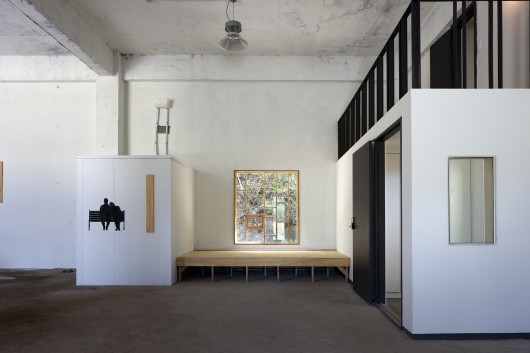
From the architect. This project is a ‘House within a house’, which is built in a 20-year-old warehouse. A year ago in October, a young couple in their late 20s, visited our studio to build their house to live after their wedding. They were the youngest clients who required our design.
The couple was about to get married next year (2014), and they were thinking of renovating the concrete warehouse in the bride’s hometown as their new house. They said they want to fix it and take it as the starting point of their new life.

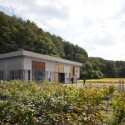
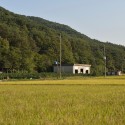
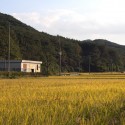
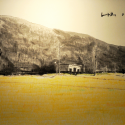
Her hometown was a small town next to East Sea, between Pohang and Gampo, which is 380km far from Seoul. Listening to their story, we could foresee the difficulties of the project and trying to come up with excuses to refuse politely. But when we saw the photographs of the old concrete warehouse standing inside the rice paddy and field, like a magic, it was like hearing the sound of a Pied Piper. We already answered that we’ll take the project.

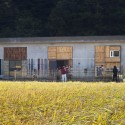
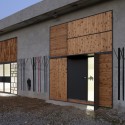
The warehouse was built 20 years ago by the bride’s father. He bought some property to start a new business in his hometown, and the very warehouse was an animal feed factory for a chicken farm. To let some big machineries in, the height became 5 meters high with a reinforced concrete structure, and exterior was finished with mortar on cement blocks.

Her father had been planning to build a two story house beside the warehouse when the business became stable. By bad fortune, after a year, her father passed away on a rainy day in a car accident. The business halted too soon and the building became farming tools storage for neighbors. Meanwhile, the warehouse became old with small and big holes in the wall. If it rained, water stayed on the rooftop and ran down inside.
Most of the young people in Korea start their newly-married life in an apartment, whether it is small or big. Considering economic value, or for convenience sake, it was a very special plan to make an inherited old warehouse to their new marriage home. Many people said that they were burning their money into the air if they invested on the old warehouse, instead of buying or renting an apartment. But the couple said to the people who were dissuading them that they don’t need to worry because they are going to live in the house for their entire life.

Listening to their both wise and reckless thought, we felt burdened. The project to blow warmth into a warehouse with large blank was a task; it was like putting solid color into a black-and-white photograph and make it high-definition natural color picture, to make a strong cover for the young couple as a background for life.

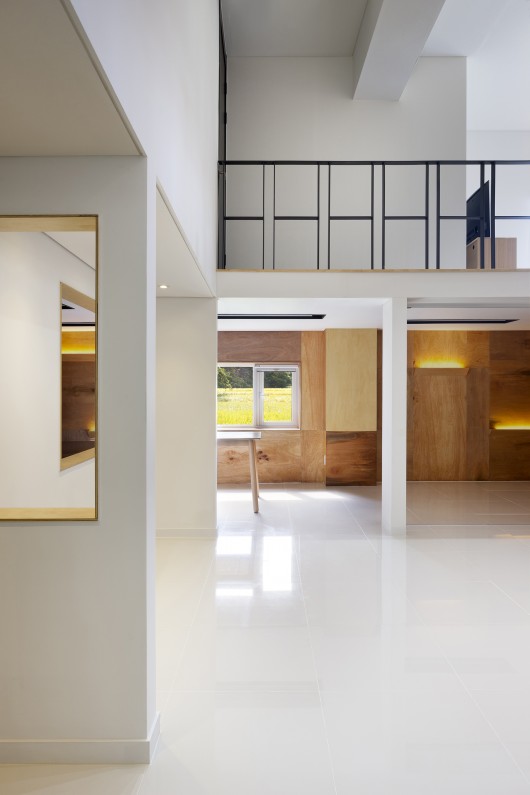
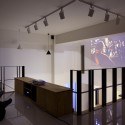
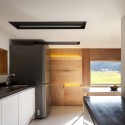
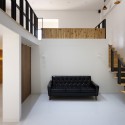
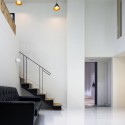
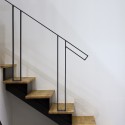
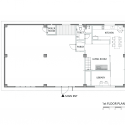
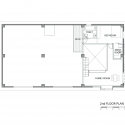
The budget was prepared to cover about one third of the whole area. We started from the concept of inserting a house within a house, to provide enough area as they needed. There was enough height for two floors, so we put a kitchen, dining, living room and a small hidden library on the first floor, and put family room, bathroom, dress room, and bedroom on the second floor. They decided to fill the remaining space portion by portion as they live.

The admirable young couple got married on 4th of October, which is a year after we met them. By the courageous constructor’s favor who decided to work despite the far distance from Seoul, the house was finished according to plan.
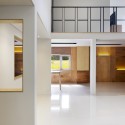
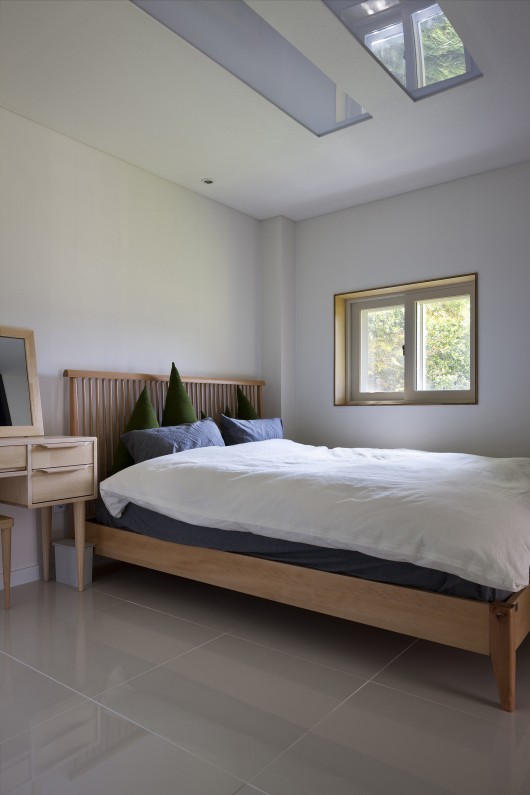
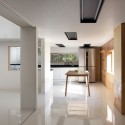
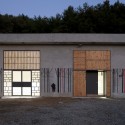
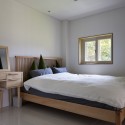
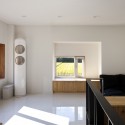
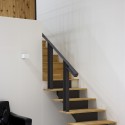
The house within the house was built in steel structure. Wall in the common space was finished with plywood and lightings were designed to accentuate the warmth of wood, and other spaces were finished by white paint to induce calm atmosphere. Floor was finished with white tile to make a gorgeous and bright space.

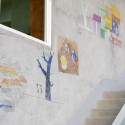
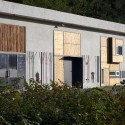
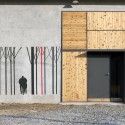
Since the budget was scarce, there was no spare to fix the rough concrete exterior wall. We promised to draw a mural ourselves. We got the design idea from the bar code. Each of the codes becomes a tree and the trees become a forest. So that the information read by the bar code represents the love of the family.
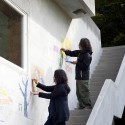
All members of our firm went in a car to the site to draw the mural for an overnight schedule. It was the first time for us to draw a mural, so it wasn’t an easy task. But all staff enjoyed the pleasure of labor by drawing lines and rough sketches and coloring it. On the wall that reaches the rooftop, which has an outside stairs on it, we drew some drawings to represent the warmth of house and family. Drawing of Sugeun Park, who’s the famous painter of Korea, became the model of our drawings.
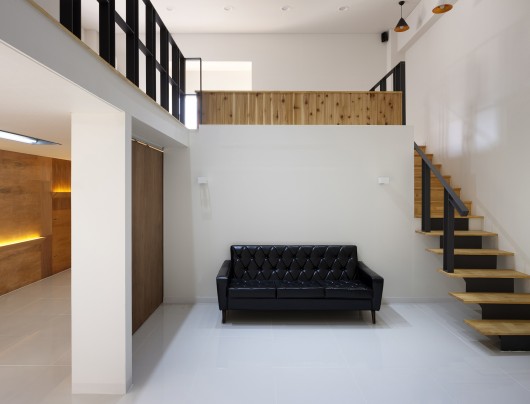
The towering warehouse surrounded by rice paddy and field was finally reformed in 20 years into a storage to put people as well as the young couple’s love and living inside.
It’s just like Natalie Cole singing the song ‘Unforgettable’, which was sung by her father Nat King Cole, after several decades her father passed away. The daughter put the two story house inside the warehouse, not unlike a snail’s shell made by her father. So the life and house continues again, and we decided to call this house ‘Unforgettable’.
















Unforgettable-House in Pohang / Studio GAON originally appeared on ArchDaily, the most visited architecture website on 25 Nov 2014.
send to Twitter | Share on Facebook | What do you think about this?
[ccw-atrib-link]