In early April, the ten finalists in the Rebuild By Design competition unveiled their proposals to protect the Tri-state region from the next Sandy. And in the near future, a jury will select a winner—or winners—to receive federal funding to pursue their plans. But before that final announcement is made, AN is taking a closer look at each of the final ten proposals. Here’s […]
This week marked the 53rd edition of the Salone Internazionale del Mobile in Milan. Hundreds of exhibitors showcased an endless display of the latest international design products and home-furnishings. Among them included a variety of designed items envisioned by some of our favorite architects. Continue after the break to preview some of the most talked about architect-designed products featured this week at the Milan Design Week 2014.
Benedetta Tagliabue for Passoni Nature: Sofa ‘BOTAN’
A comfortable wood and fabric seat whose components join like the petals of a flower, producing endlessly harmonious, balanced combinations, inspired by nature.
David Adjaye’s cantilevered chairs establish a play between propping and balancing, so that they are simultaneously functional and sculptural. Washington Skeleton is reduced to a fine geometric lattice while its inverted counterpoint, Skin, offers a colorful envelope to the same form.
Just like the Internet allows users to browse and use a collection of contents which are connected to each other by links, WEB – with its alternating blocks and voids – presents a brand new bookcase concept with a strong visual impact and devised for the most disparate uses.
Su, a traditional Japanese concept meaning minimal, served as the primary inspiration for this new collection of stools and tables made from reclaimed materials.
The Vertical Village: a self-organized and initiated manner of city building inspired by richness of informality found in East Asian settlements prior to being overcome by economically-driven block towers.
Vitra has now launched models EA 101, 103 and 104 that belonged to the original 1958 product family and was first marketed as the Aluminium Dining Chairs, expanding the selection of chairs in the Aluminium Group with models that are smaller, lighter and brighter.
In this interesting article in the New York Times, Allison Arieff highlights the often unconsidered importance of sound in architecture (outside of theaters and museums at least). She profiles the work of Acoustic Engineers at ARUP who have begun to work inschools and hospitals, taking into account the effects poor sound environments can have on us in our everyday lives. You can read the full article here.
What was the most popular architecture or design exhibition in 2013? If you guessed MoMA’s Le Corbusier spectacular or SFMOMA’s landmark Lebbeus Woods: Architect (coming to New York’s Drawing Center April 15) you’re close but off the mark. In fact the most popular architecture exhibition in the world, according to The Art Newspaper‘s 2013 Visitors […]
Architects: Studio Aula
Location: Shiojiri, Nagano, Japan
Architect In Charge: Mitsuru Yoshida,Kyoko Hoshina
Year: 2013
Photographs: Ippei Shinzawa
From the architect. Our client is a family with a couple in fifties, their two children and mother. In Cocoon house our mission was making-over in which the premise is narrow at the approach and deep inside. We try to functionally make use of it with its old garden. For instance, on the north side facing to a road we laid storage and space to take in light and winds.
The vertical bar screen in Japanese style blocks others’ eye and a fine devise to hold such functions. Also we put a multipurpose earth floor to make an entrance as well from the north to the south garden. This assures the functional elements such as a corridor and a storage space, also becomes a public space to combine inside with outside and to get visitors. The inside materials of construction are flamed in squares as iconic form, and the layer with the chequer patterns reminding of the thread of cocoon managed to generate the diversity of forms. We have also done the makeover of the garden. The old one was conventionally symbolic with chunks of stone work allegedly representing a ship on the sea. but we redefined it to satisfy the quality of life converting with the steppingstones led from the earth floor. Although industrialized houses are spreading over in the neighbourhood we have aimed integration of the old and the new in Japanese symbolic landscape.
Built in a unifom neighbourhood, this house aims at utilizing a garden with an old pine tree and the stone work and caring for the Japanese way of life and traditional forms; the earth flooor corridor works in some functional ways; the bar screen taking in light and wind under the large roof protects privacy; the bamboo fence encourages simplified maintanance on the owener’s own.
They used to live in an old house in a hamlet with depopulation in the Kiso region. It was a sericultural farm house built with wood, paper, and mortar in the Meiji period (about a hundred years old). Also Kiso is surrounded by conifer forests and clear water in a mountain range which is quite filled with natural beauty in Japan. The client loved the house and the neighbourhood, but an accidental mischief occured and it determined moving to a newly purchaseed secondhand house with a lovely old garden in adjacent suburbia.
After all this house turned out to be poorly earthquake-proof which leads to demolition and rebuilding. Our goal in this project is to capture Japanese style in order to confort the client family.
We managed to make use of much wood for the interior and the beam construction and to care for their remembrance of the old house and the locality. Actually they own a mountain forest in the hamlet and we used the Hinoki (Japanese cypress) timber planted in their son’s birth for a part of constructual materials.
Following a period of extended growth, the Architecture Billings Index (ABI), which is compiled by the AIA, declined for the second straight month, down to 48.5 in December from 49.8 in November (any score below 50 indicates a decline). The news is not entirely bleak, however, as new project inquiries rose to 59.2 up from […]
The 2014 RIBA Norman Foster Travelling Scholarship has launched and is inviting applications from schools of architecture around the world. A £6,000 grant will be awarded to one student by a panel of judges which includes Lord Foster and the President of the RIBA.
First established in 2006, the scholarship is now in its seventh year and is intended to fund international research on a topic related to the survival of our towns and cities, in a location of the student’s choice. Past RIBA Norman Foster Scholars have travelled through the Americas, Europe, Africa, South East Asia, the Middle and the Far East, and Russia.
Proposals for research might include: learning from the past to inform the future; the future of society; the density of settlements; sustainability; the use of resources; the quality of urban life; and transport.
The deadline for submissions is Friday 25 April 2014. Further details and an application form can be downloaded from the RIBA website architecture.com/fosterscholarship.
Description from Concrete Architectural Associates
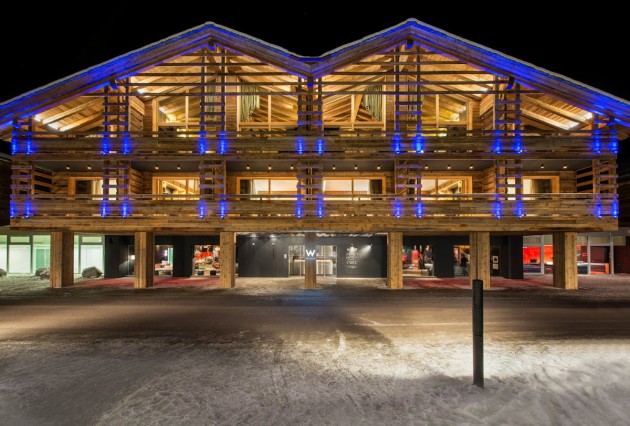
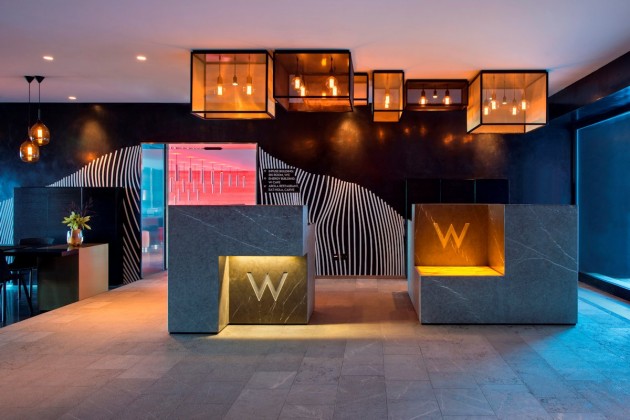
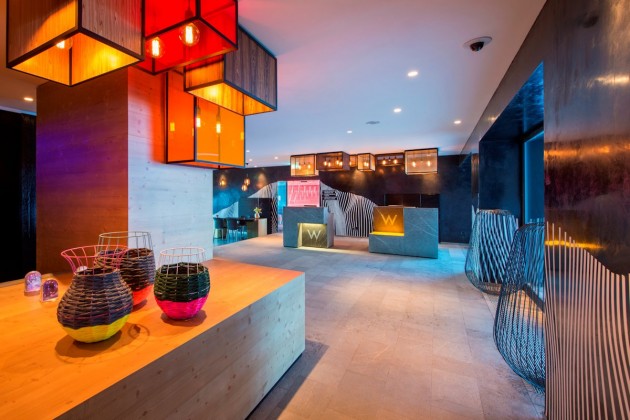
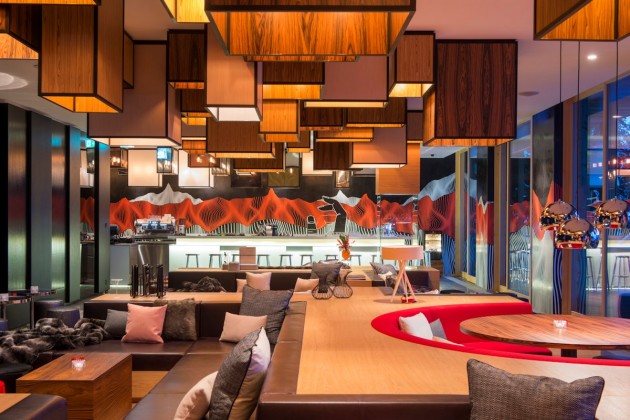
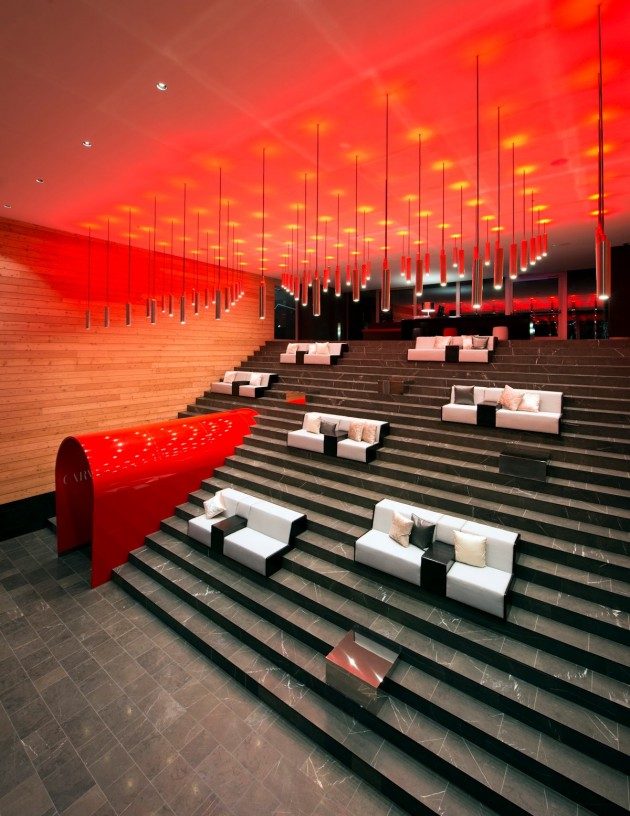
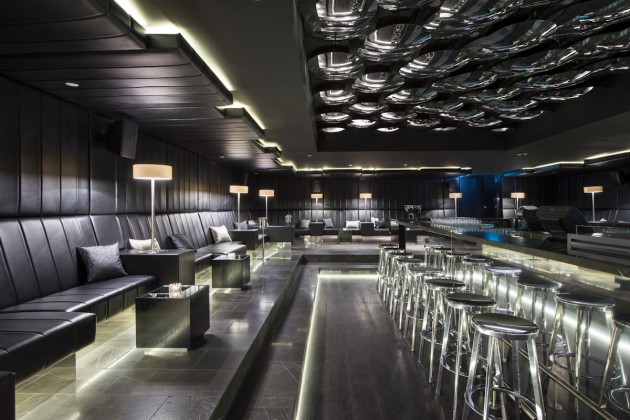
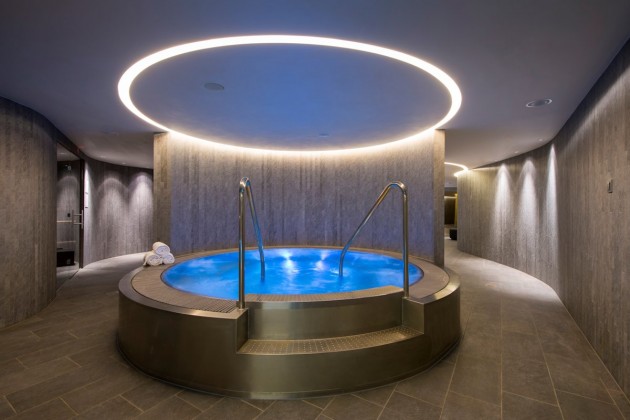
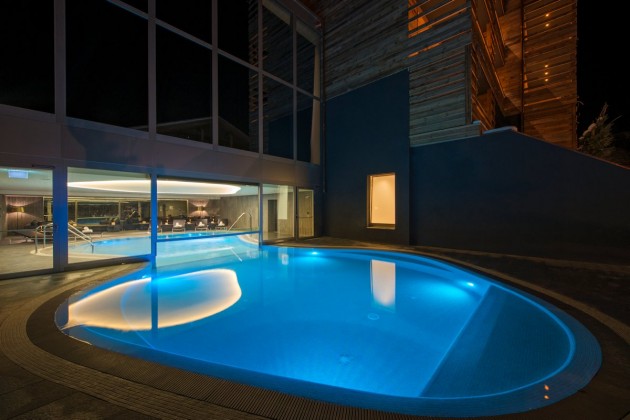
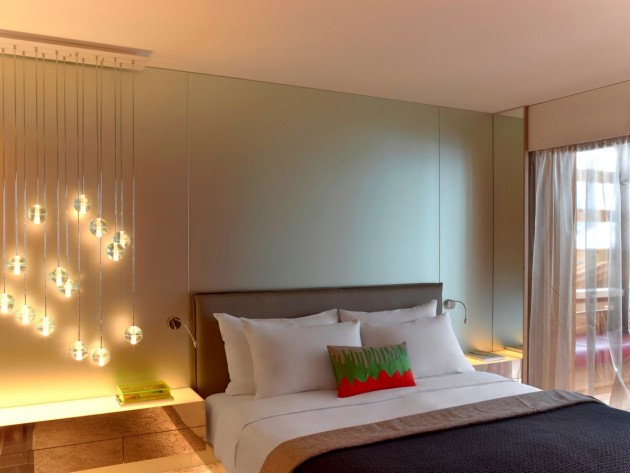
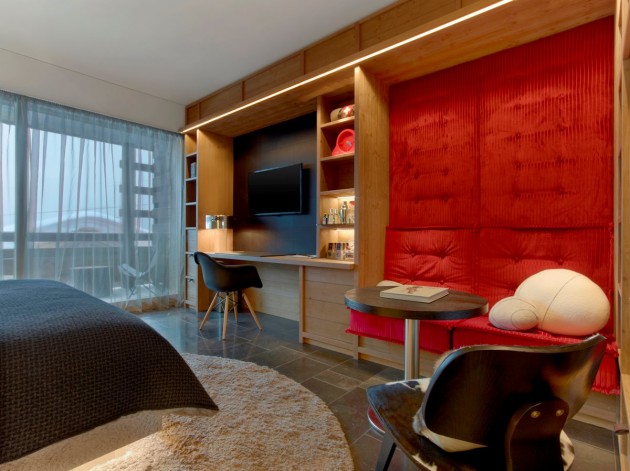
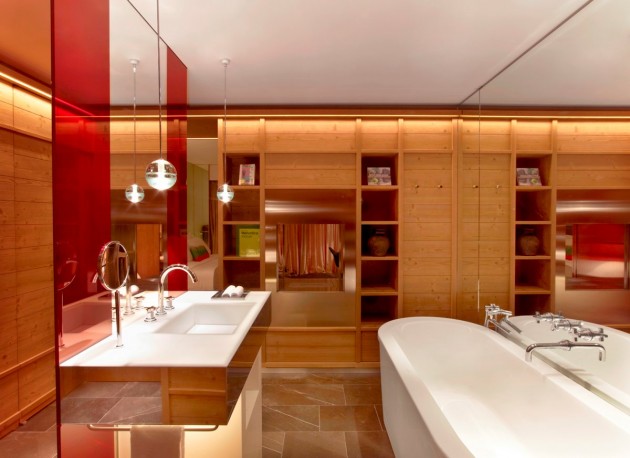
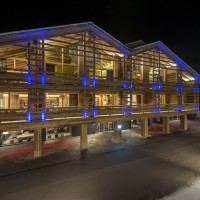
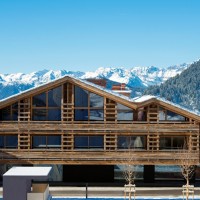
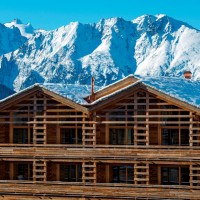
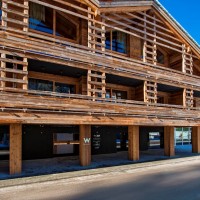
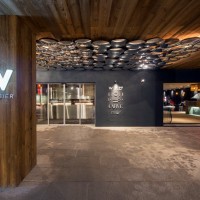
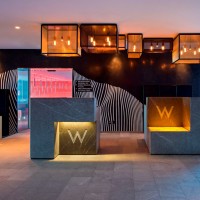
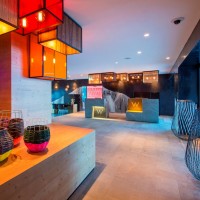
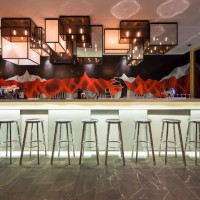
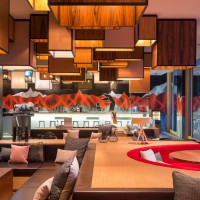
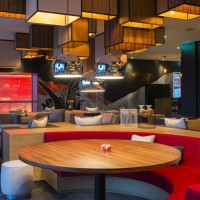
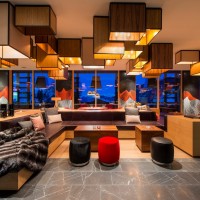
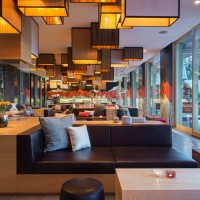
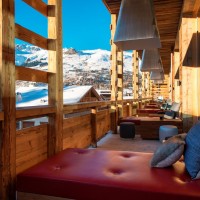
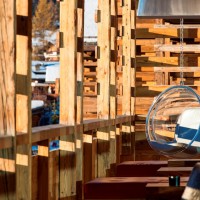
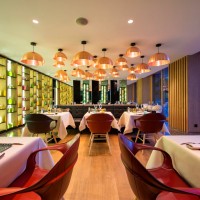
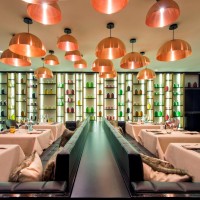
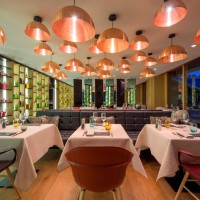
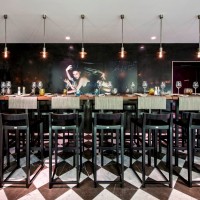
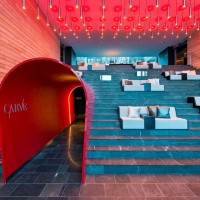
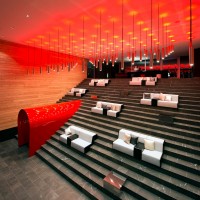
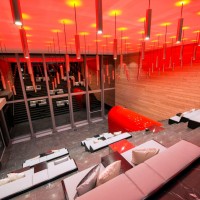
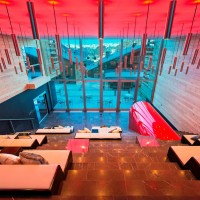
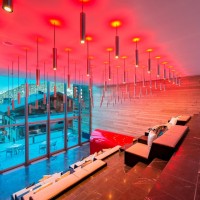
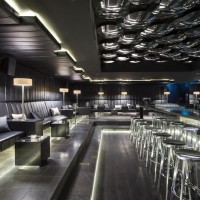
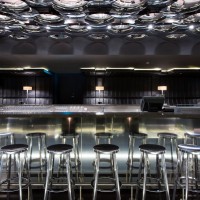
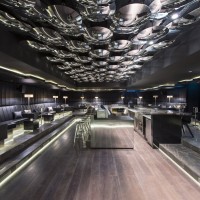
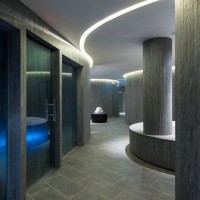
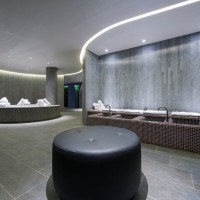
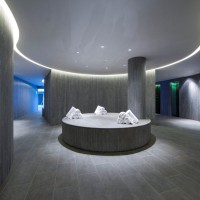
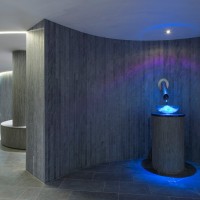
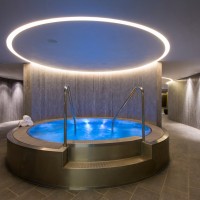
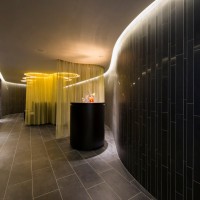
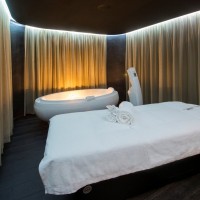
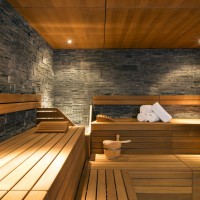
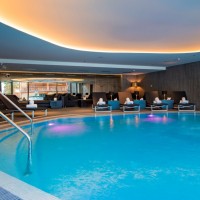
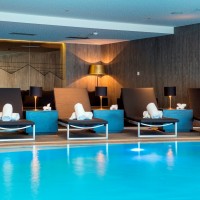
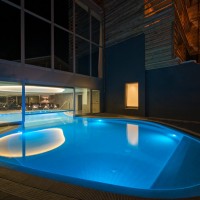
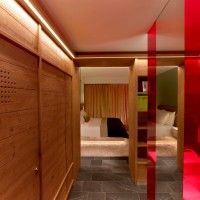
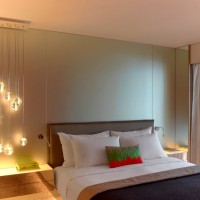
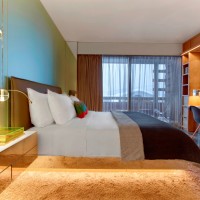
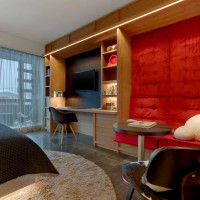
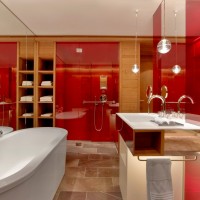
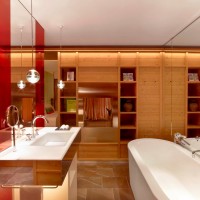
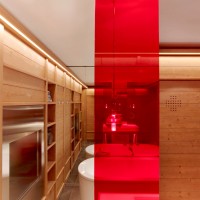
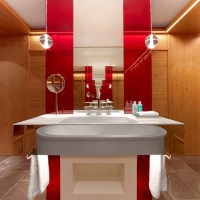
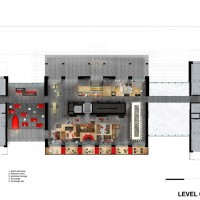
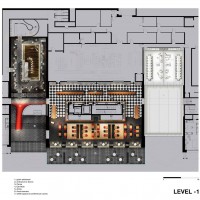
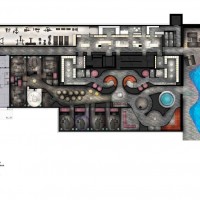
Concrete designed the interior of the new W hotel in Verbier Switzerland. Inspired by the dynamic carving of skis through snow, it brings an indelible, distinct New York City glamour to the ski resort in the Swiss Alps.
For the global lifestyle brand’s first alpine and ski retreat, concrete wanted to provide guests with an unforgettable experience using interiors that complement and contrast the breathtaking scenery around the hotel. The design features smooth lines that carve through the spaces; a movement that derives directly from the tracks left by the activities in the mountains Verbier is so famous for: the carved slopes during wintertime or the smooth mountain bike tracks in summer. The famous Verbier mountains have been brought into the hotel by reinterpreting local elements in a contemporary way and creating a juxtaposition to reflect the simplicity, beauty and energy of Verbier and the contemporary cool of New York by using contrasting materials.
W hotel Verbier is part of the Starwood group and owned by Les Trois Rocs. The hotel is situated at the foot of the slopes next to the Médran gondola and directly on the newly developed Place Blanche. Featuring four traditional wooden chalet-style buildings, interconnected by contemporary glass atriums, the retreat will offer global jetsetters and Verbier enthusiasts immediate ski-in, ski-out access to the alpine action.
Verbier is a village located in south-western Switzerland in the canton of Valais and a famous ski area in the Swiss Alps.
Architects: Belzberg Architects
Location: 100 The Grove Drive, Los Angeles, CA, USA
Architect In Charge: Hagy Belzberg
Design Team: Andrew Atwood, Barry Gartin, Brock DeSmit, Carina Bien-Wilner , Christopher Arntzen, Cory Taylor, Daniel Rentsch, David Cheung, Eric Stimmel, Erik Sollom, Justin Brechtel, Philip Lee, Lauren Zuzack
Area: 27,000 sqm
Year: 2010
Photographs: Iwan Baan, Benny Chan
Project Manager: Aaron Leppanen
Structural: William Koh & Associates
Contractor: Winters-Schram
Mechanical: John Dorius & Associates
Electrical: A&F Consulting Engineers
Methane Engineer: Carlin Environmental
Environmental Engineer: Enviropro, Inc.
From the architect. The new building for the Los Angeles Museum of the Holocaust (LAMOTH) is located within a public park, adjacent to the existing Los Angeles Holocaust Memorial. Paramount to the design strategy is the integration of the building into the surrounding open, park landscape. The museum is submerged into the ground allowing the park’s landscape to continue over the roof of the structure. Existing park pathways are used as connective elements to integrate the pedestrian flow of the park with the new circulation for museum visitors.
The pathways are morphed onto the building and appropriated as surface patterning. The patterning continues above the museum’s galleries, further connecting the park’s landscape and pedestrian paths. By maintaining the material pallet of the park and extending it onto the museum, the hues and textures of concrete and vegetation blend with the existing material palette of Pan Pacific Park. These simple moves create a distinctive façade for the museum while maintaining the parks topography and landscape. The museum emerges from the landscape as a single, curving concrete wall that splits and carves into the ground to form the entry. Designed and constructed with sustainable systems and materials, the LAMOTH building is on track to receive a LEED Gold Certification from the US Green Building Council.
Circulatory Strategy:
Patrons begin their procession at the drop off adjacent to the park. Their approach is pervaded by sounds and sights of laughter and sport—of kids playing in the park and picnicking with their families. Because the building is partially submerged beneath the grassy, park landscape, entry to the building entails a gradual deterioration of this visual and auditory connection to the park while descending a long ramp. Upon entering, visitors experience the culmination of their transition from a playful and unrestrained, public park atmosphere to a series of isolated spaces saturated with photographic archival imagery.
As part of the design strategy, this dichotomous relationship between building content and landscape context is emphasized to bolster the experience inside the museum and allegorically correlate the proximity with which European forest revelers enjoying public parks were to sites of horrific and inhumane acts being carried out in 1930’s and 40’s. Visitors exit the museum by ascending up to the level of the existing monument, regaining the visual and auditory connection with the park environs.
The first room incorporates a large, single interactive table, mimicking a conceptual “community” or dinner table. The exhibit brings a large group of patrons together around one interactive exhibit. The lighting of the interior galleries dim as the visitor steps down into the subsequent rooms where two separate exhibits display divide the singular crowd—diminishing the “community” provided by people nearby. Through the third room and into the fourth, the floor continues to step down as ambient lighting becomes scarcer leading individuals to the room titled, “Concentration Camps.”
The ceiling is low, and the room is almost entirely illuminated by individual video-monitors—about the size of a notebook—which limits viewing to a single spectator. The visitor is now confined to the most isolated, darkest and volumetrically concentrated underground area in the museum. The journey from this point forward is one of ascension and of finding the comfort of familiar space as floor levels begin to rise and natural lights begins to penetrate the interior once again. The final ascent up to the existing monument is filled with sights and sounds of unrestricted park land.