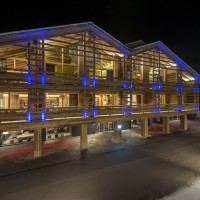
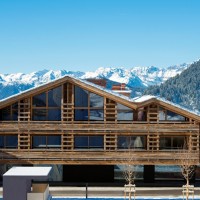
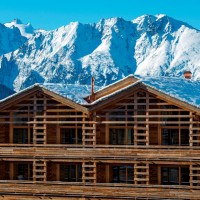
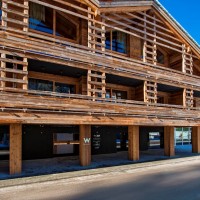
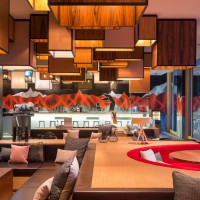
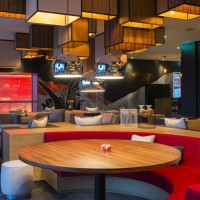
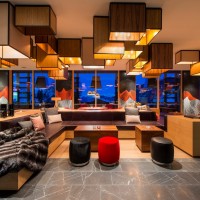
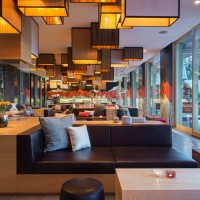
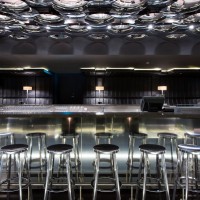
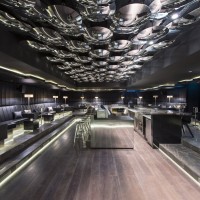
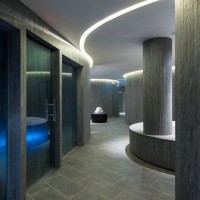
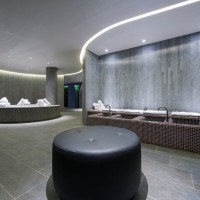
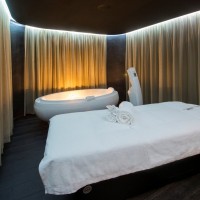
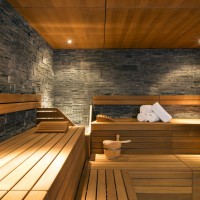
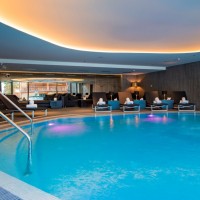
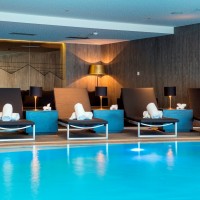
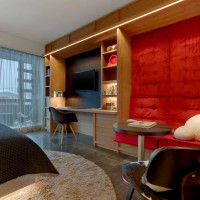
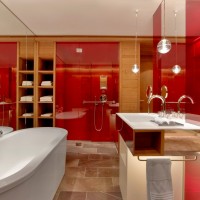
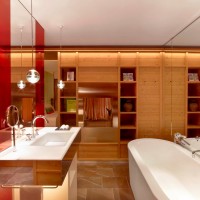
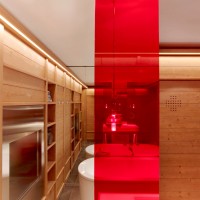
Description from Concrete Architectural Associates
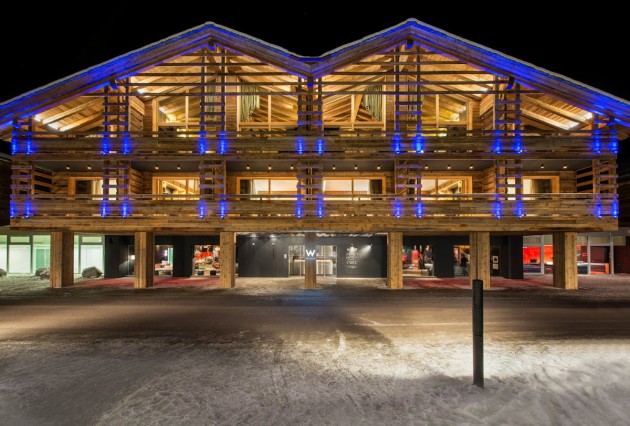
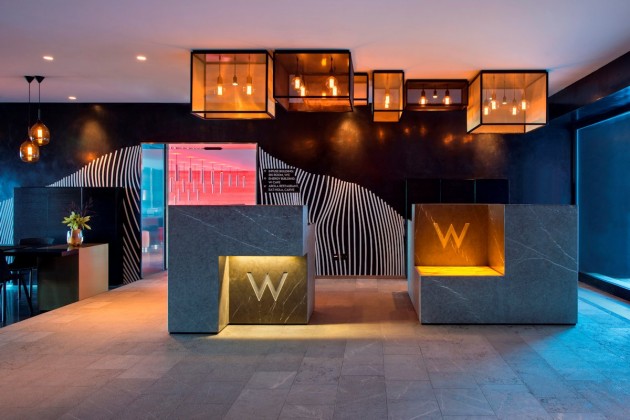
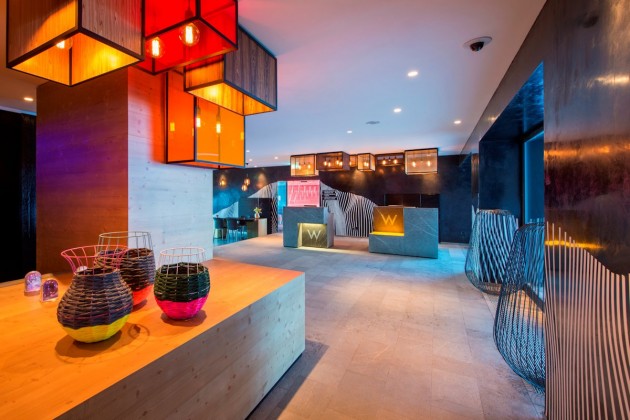
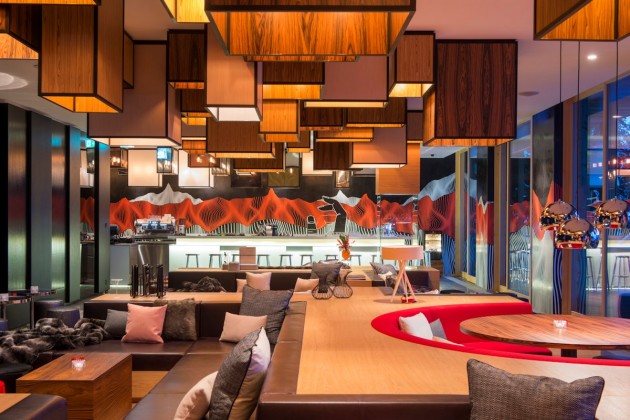
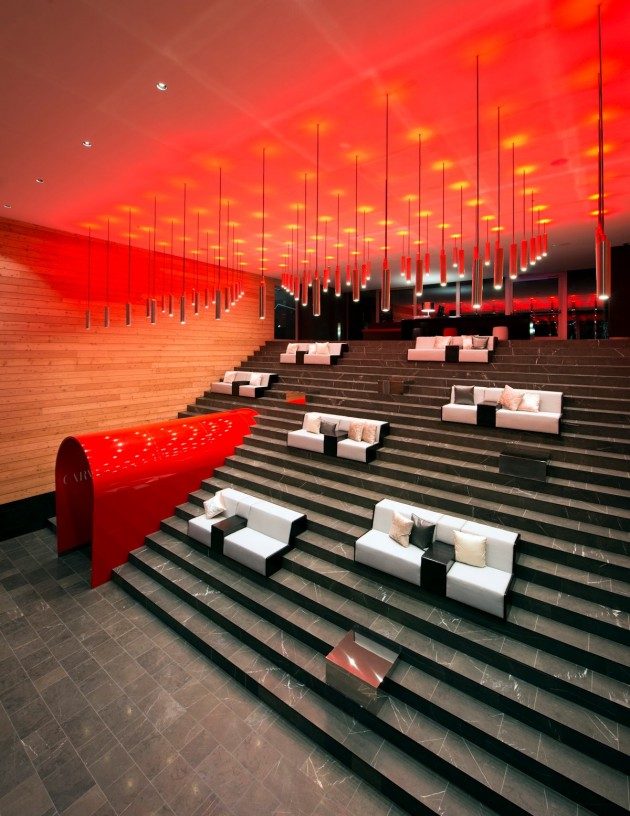
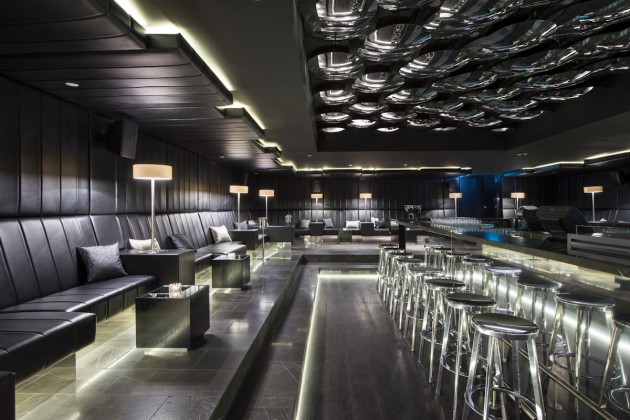
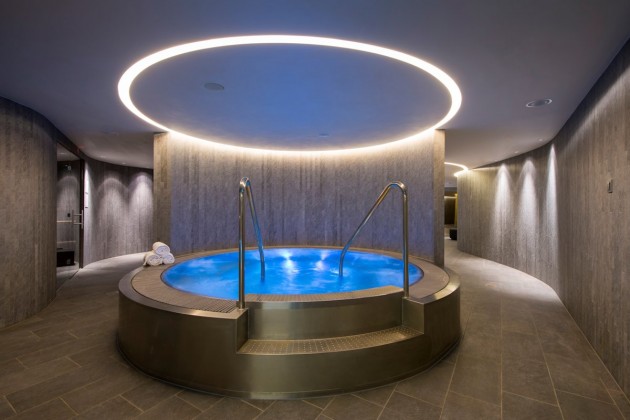
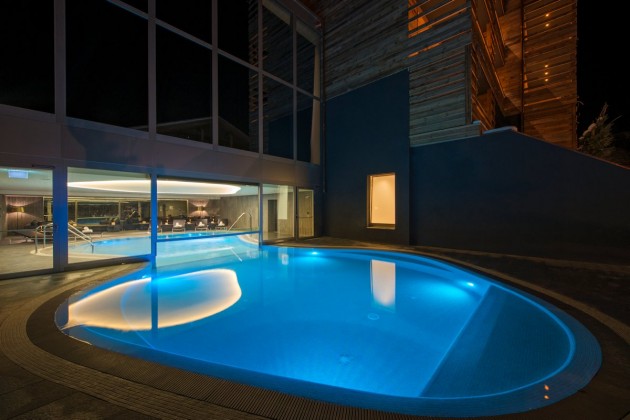
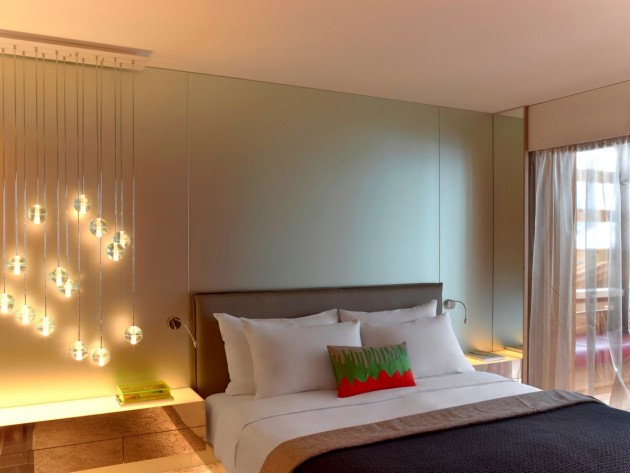
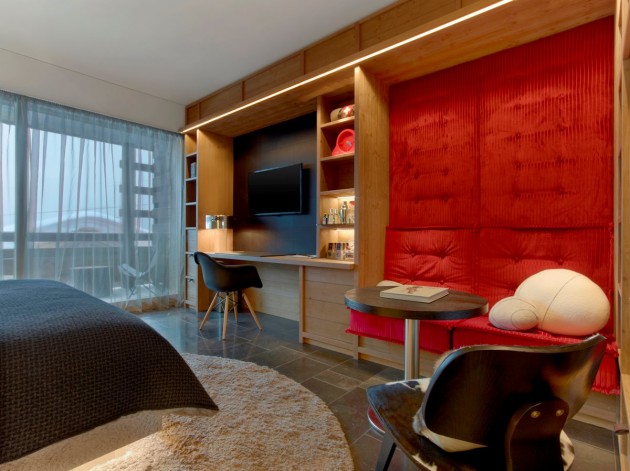
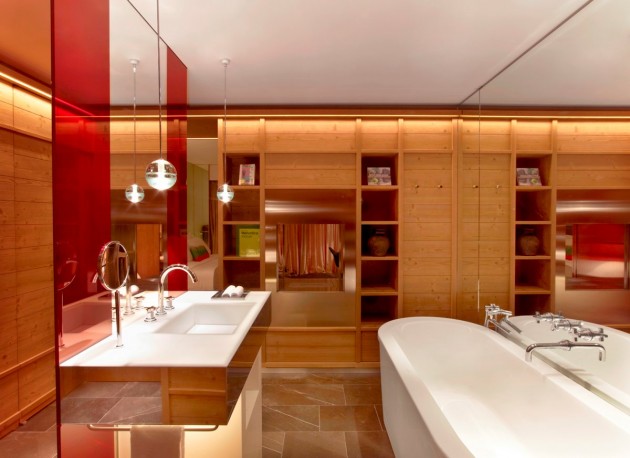
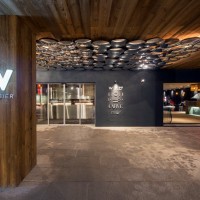
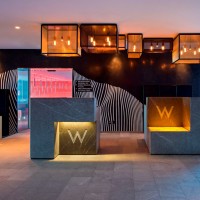
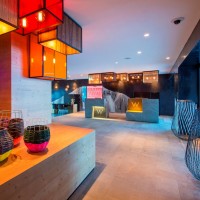
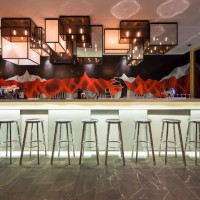
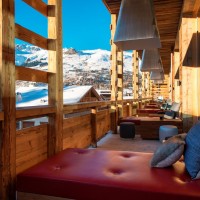
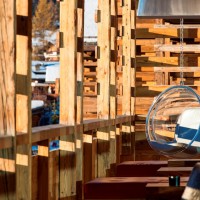
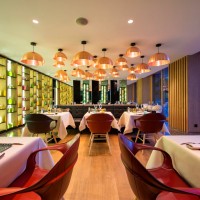
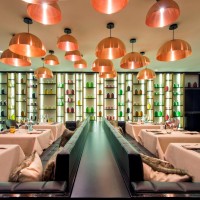
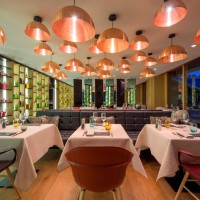
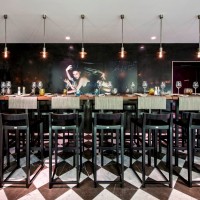
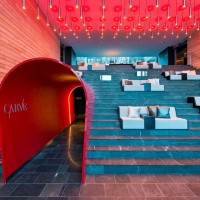
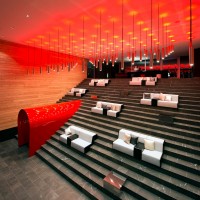
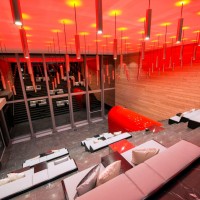
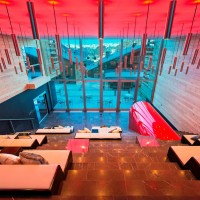
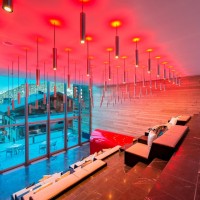
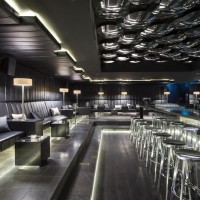
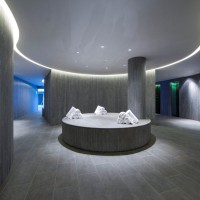
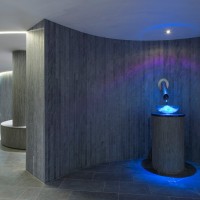
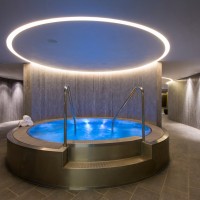
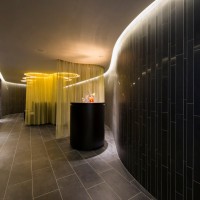
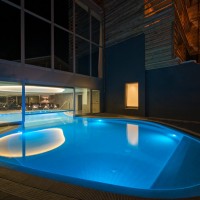
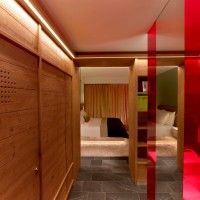
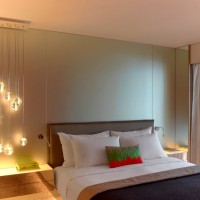
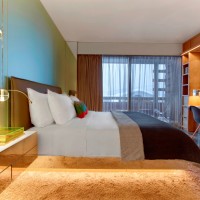
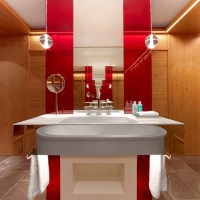
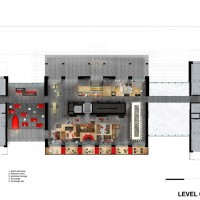
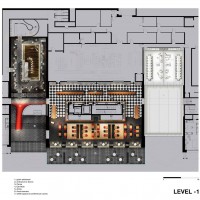
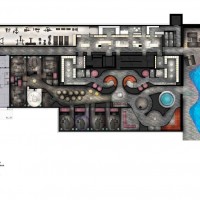
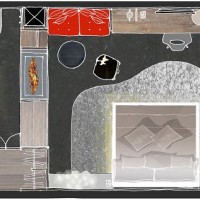
Concrete designed the interior of the new W hotel in Verbier Switzerland. Inspired by the dynamic carving of skis through snow, it brings an indelible, distinct New York City glamour to the ski resort in the Swiss Alps.
For the global lifestyle brand’s first alpine and ski retreat, concrete wanted to provide guests with an unforgettable experience using interiors that complement and contrast the breathtaking scenery around the hotel. The design features smooth lines that carve through the spaces; a movement that derives directly from the tracks left by the activities in the mountains Verbier is so famous for: the carved slopes during wintertime or the smooth mountain bike tracks in summer. The famous Verbier mountains have been brought into the hotel by reinterpreting local elements in a contemporary way and creating a juxtaposition to reflect the simplicity, beauty and energy of Verbier and the contemporary cool of New York by using contrasting materials.
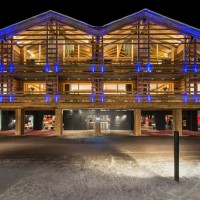
W hotel Verbier is part of the Starwood group and owned by Les Trois Rocs. The hotel is situated at the foot of the slopes next to the Médran gondola and directly on the newly developed Place Blanche. Featuring four traditional wooden chalet-style buildings, interconnected by contemporary glass atriums, the retreat will offer global jetsetters and Verbier enthusiasts immediate ski-in, ski-out access to the alpine action.
Verbier is a village located in south-western Switzerland in the canton of Valais and a famous ski area in the Swiss Alps.
Francis D.K. Ching’s architectural bestseller, thoroughly updated
Since 1975, Architectural Graphics has been a bestselling classic that has introduced countless students of architecture and design to the fundamentals of graphic communication. Featuring Francis D.K. Ching’s signature graphic style, it illustrates how to use graphic tools and drafting conventions to translate architectural ideas into effective visual presentation. This Fifth Edition has been updated to reflect the latest drawing techniques helping it remain the leading book on the topic.The latest edition of the classic book on architectural drawing by the master of architectural communicationOver 500,000 copies sold of previous editions Revised and expanded to include more information on computer-generated graphics and the latest drawing conventions for architectural representationThe author is world-renowned for his numerous architecture and design books, including Architecture: Form, Space, and Order; A Global History of Architecture; Interior Design Illustrated; Building Codes Illustrated; and Building Construction Illustrated, all from Wiley.
The high-performance Platinum Edge Model C855 has it all! It features a heavy-duty all-metal construction with an aluminum anodized base and a detachable extended squaring arm. The cutting head has super-smooth gliding action with quick-change magnetic blade cartridge and micro-adjustable moving magnetic stop. Cuts through 4-ply and 8-ply matboard up to 48 inches. A must-have for any serious framer!
Product Features
The new Logan Platinum Edge Model 850 Mat Cutter has it all
Starting with the aluminum-anodized base, this cutter is solid from the ground floor
Featuring 48″ cutting capacity, super-smooth cutting head glides
4- and 8-ply cutting capability, quick-change magnetic blade cartridge
The word “gothic” evokes images of the massive ornately decorated cathedrals built in medieval Europe. Learn more about the features and basic ideas that gov…
Layout building is perhaps the most exciting, rewarding and challenging aspect of creating a model railway. Making the right design decisions and choosing good construction techniques are vital to ensure success. This book takes you through basic baseboard construction, shelf layout themes and how to link multi-deck designs together, enabling you to make the most of a given space. With different concepts covered, from simple portable layouts to helix construction techniques, Nigel Burkin mixes the best of British layouts with those used routinely overseas and shows you how you too can achieve success and satisfaction in executing your layout design. Topics covered included: Designing for comfort; How to use space efficiently; Practical construction techniques from L-Girder to box frame baseboards; Sub track bed construction, track laying and wiring; Fine tuning the layout for smooth operations.
The availability of lithium polymer (Li-Poly) batteries has transformed the world of model aircraft. It is now possible for manufacturers to offer electric-powered models that perform similarly to gas-powered models. How to Build and Fly Electric Model Aircraft is a fully-illustrated, all-color guide to unleashing the unlimited potential of silent flight with electric power.
Architects: Belzberg Architects
Location: 100 The Grove Drive, Los Angeles, CA, USA
Architect In Charge: Hagy Belzberg
Design Team: Andrew Atwood, Barry Gartin, Brock DeSmit, Carina Bien-Wilner , Christopher Arntzen, Cory Taylor, Daniel Rentsch, David Cheung, Eric Stimmel, Erik Sollom, Justin Brechtel, Philip Lee, Lauren Zuzack
Area: 27,000 sqm
Year: 2010
Photographs: Iwan Baan, Benny Chan
Project Manager: Aaron Leppanen
Structural: William Koh & Associates
Contractor: Winters-Schram
Mechanical: John Dorius & Associates
Electrical: A&F Consulting Engineers
Methane Engineer: Carlin Environmental
Environmental Engineer: Enviropro, Inc.
From the architect. The new building for the Los Angeles Museum of the Holocaust (LAMOTH) is located within a public park, adjacent to the existing Los Angeles Holocaust Memorial. Paramount to the design strategy is the integration of the building into the surrounding open, park landscape. The museum is submerged into the ground allowing the park’s landscape to continue over the roof of the structure. Existing park pathways are used as connective elements to integrate the pedestrian flow of the park with the new circulation for museum visitors.
The pathways are morphed onto the building and appropriated as surface patterning. The patterning continues above the museum’s galleries, further connecting the park’s landscape and pedestrian paths. By maintaining the material pallet of the park and extending it onto the museum, the hues and textures of concrete and vegetation blend with the existing material palette of Pan Pacific Park. These simple moves create a distinctive façade for the museum while maintaining the parks topography and landscape. The museum emerges from the landscape as a single, curving concrete wall that splits and carves into the ground to form the entry. Designed and constructed with sustainable systems and materials, the LAMOTH building is on track to receive a LEED Gold Certification from the US Green Building Council.
Circulatory Strategy:
Patrons begin their procession at the drop off adjacent to the park. Their approach is pervaded by sounds and sights of laughter and sport—of kids playing in the park and picnicking with their families. Because the building is partially submerged beneath the grassy, park landscape, entry to the building entails a gradual deterioration of this visual and auditory connection to the park while descending a long ramp. Upon entering, visitors experience the culmination of their transition from a playful and unrestrained, public park atmosphere to a series of isolated spaces saturated with photographic archival imagery.
As part of the design strategy, this dichotomous relationship between building content and landscape context is emphasized to bolster the experience inside the museum and allegorically correlate the proximity with which European forest revelers enjoying public parks were to sites of horrific and inhumane acts being carried out in 1930’s and 40’s. Visitors exit the museum by ascending up to the level of the existing monument, regaining the visual and auditory connection with the park environs.
The first room incorporates a large, single interactive table, mimicking a conceptual “community” or dinner table. The exhibit brings a large group of patrons together around one interactive exhibit. The lighting of the interior galleries dim as the visitor steps down into the subsequent rooms where two separate exhibits display divide the singular crowd—diminishing the “community” provided by people nearby. Through the third room and into the fourth, the floor continues to step down as ambient lighting becomes scarcer leading individuals to the room titled, “Concentration Camps.”
The ceiling is low, and the room is almost entirely illuminated by individual video-monitors—about the size of a notebook—which limits viewing to a single spectator. The visitor is now confined to the most isolated, darkest and volumetrically concentrated underground area in the museum. The journey from this point forward is one of ascension and of finding the comfort of familiar space as floor levels begin to rise and natural lights begins to penetrate the interior once again. The final ascent up to the existing monument is filled with sights and sounds of unrestricted park land.